June 26, 2026
The aesthetics of a property significantly impact its appeal and value, with professional painting services playing a critical role in maintaining these aspects. Not only do these services enhance visual appeal, but they also offer a layer of protection to surfaces against weather and wear. Property owners need to be informed about the multitude of considerations for these services to make effective decisions. However, the array of choices in materials, methods, and professionals can be overwhelming. This article aims to provide comprehensive insights, assisting property owners in navigating the nuanced landscape of surface treatments.
Understanding the Basics of Painting and Staining
Painting is an intricate process that involves applying a pigmented liquid substance to surfaces to both beautify and protect them. The diversity of paints, ranging from oil-based to water-based, adds to their versatility in various applications. Commonly, painting is used on interior and exterior walls, furniture, and surfaces needing a uniform, opaque finish. Moreover, paint not only adds color but also helps resist wear and tear due to environmental exposure. Its protective and aesthetic benefits make painting a crucial consideration for both new constructions and renovation projects.
Staining, on the other hand, involves applying a colorant that seeps into the surface, highlighting the natural grain of the material, typically wood. According to WoodWorkingAdvisor.com, staining a deck can take up to three days, depending on the specifics of the deck itself. Unlike paint, stains are usually translucent, allowing the intrinsic texture and patterns of the wood to shine through. Stains are predominantly used on decks, fences, and wooden furniture, offering both aesthetic enhancement and durability. They come in various forms, such as oil-based, water-based, or gel stains, each serving specific needs and preferences. The rustic charm and protective seal provided by stains make them a popular choice among property owners with wooden surfaces.
Evaluating Immediate and Long-Term Costs
Financial considerations play a pivotal role in the decision-making process regarding property maintenance. While paint may generally offer more coverage per gallon, the associated costs for labor, materials, and preparation can vary widely. Conversely, staining often appears cheaper initially, but recurring maintenance might increase long-term expenses. It's critical to evaluate budgeting for both immediate expenses and future maintenance, ensuring sustainability in choice. Ultimately, weighing the cost against the benefits and longevity of each service will enable property owners to make financially sound decisions for their real estate assets.
Materials and Products to Consider
Paints are available in an array of types and finishes, each crafted to meet distinct needs and preferences in home improvement projects. Oil-based paints, known for their durability, are typically suited for high-traffic areas, while water-based paints offer ease of use and faster drying times. Beyond substance, the finish, whether matte, satin, gloss, or eggshell, plays a crucial role in contributing to the final aesthetic and practical outcome. Each finish displays unique properties in terms of sheen and cleaning, affecting the ambiance and upkeep of the space. Selecting the suitable paint type and finish will align with both functional needs and aesthetic aspirations.
Stain options for wood surfaces are equally varied, tailored to amplify the natural beauty of timber while providing protection. Oil-based stains penetrate deeply, accentuating wood grain while offering substantial durability against the elements. Water-based stains are environmentally friendly, quick-drying, and ideal for projects requiring less repetitive coating. For those seeking a vibrant finish, gel stains provide superior coverage, ideal for surfaces where uniform saturation is needed. These choices in stain allow versatile application tailored to the material's condition, use, and the owner's desired appearance.
Understanding the Complete Steps
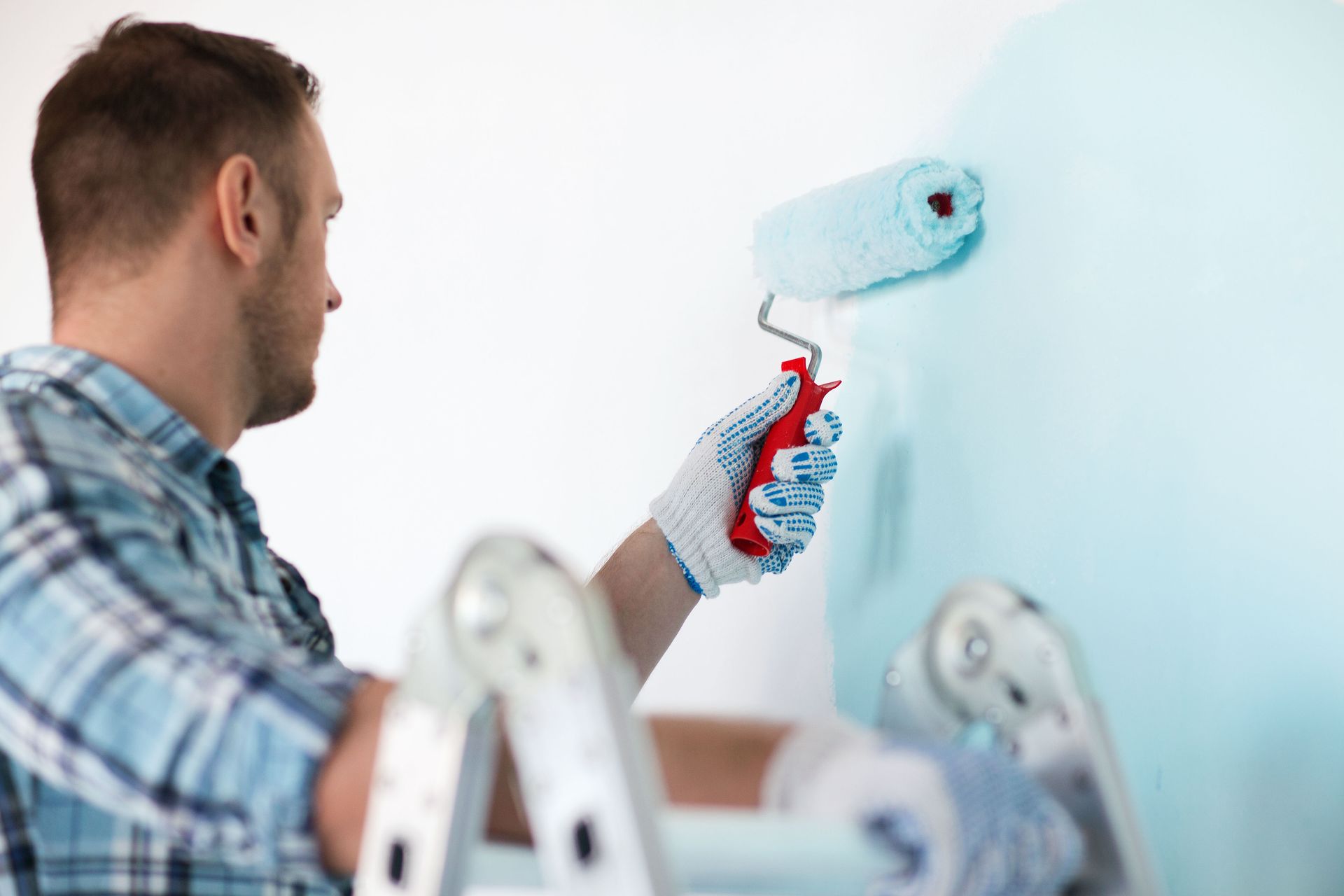
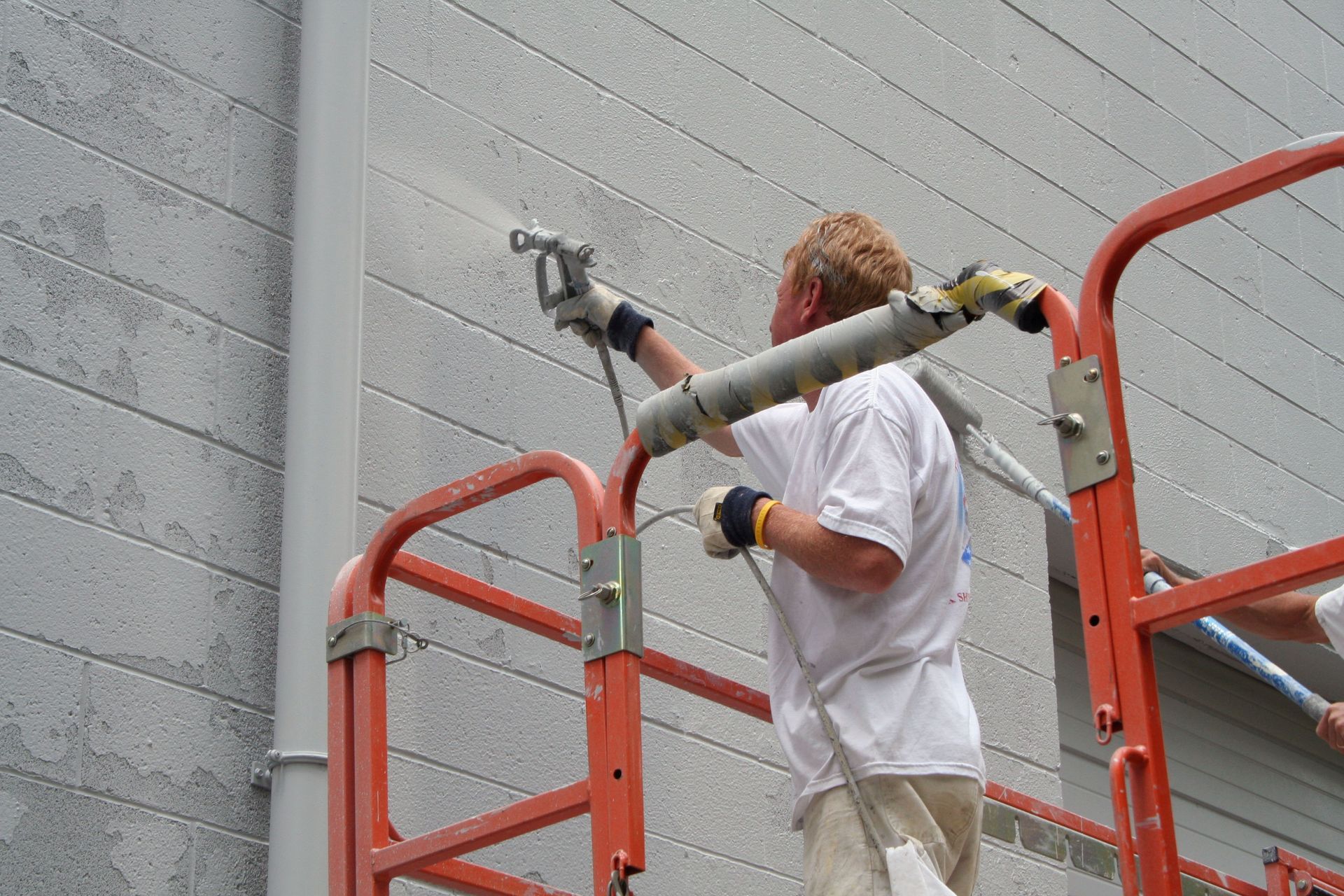
The application process embodies the transformation of a property's surfaces, involving precise techniques and steps. For painting, once surfaces are prepared, evenly applying primer can enhance paint adhesion and coverage uniformity. Subsequent paint layers demand consistency in application, be it through brushing, rolling, or spraying, and respecting drying times between coats. Conversely, staining requires applying the product meticulously, allowing it to penetrate wood surfaces and achieve a uniform effect. Familiarizing oneself with these steps guarantees that outcomes are both visually appealing and robust against potential environmental challenges.
Understanding the significance of sanding and priming is fundamental, as these procedures determine surface readiness for final coats. Sanding evens out irregularities, removes old finishes, and opens pores, facilitating the better absorption of new applications. Priming serves as a preparatory coating, promoting adhesion and offering a neutral base that enhances color vibrancy and endurance. Together, sanding and priming streamline the transition to new coatings, ensuring they adhere firmly and age gracefully over time. Applying these techniques as part of the preparatory process upholds standards of excellence in the artistry of surface treatment.
Re-coating Maintenance Intervals
Establishing recommended re-coating intervals is fundamental in managing long-term maintenance and maximizing surface resilience. Depending on exposure conditions and product durability, painted surfaces generally require attention every five to seven years. Stained surfaces, particularly those exposed to outdoor elements, may necessitate reapplications more frequently, often every three to five years. Regularly scheduled re-coating strengthens surfaces against the elements, maintaining their appeal and protective qualities. Aligning maintenance schedules with these intervals ensures that painted and stained surfaces continue to perform optimally, solidifying their role as valuable property assets.
Protecting Against Environmental Damage
Mitigating environmental damage through strategic protection measures is crucial in maintaining the efficacy of completed upgrades. Measures such as shading, installing weather-resistant features, or using UV-inhibiting coatings reduce the impacts of moisture, sun exposure, and temperature extremes. Protective treatments, like water repellents or mildew-resistant additives, enhance surface durability and performance. Attending to environmental threats proactively ensures that maintenance needs are minimized and that surfaces remain reflective of their original charm and purpose. By preserving structural and aesthetic elements against natural forces, property owners reinforce their space's aesthetic and practical resilience.
Selecting appropriate maintenance products is a strategic decision with direct implications on the longevity and preservation of visual effects. Non-abrasive, pH-neutral cleaning solutions are ideal for maintaining surface finish without compromising integrity. Over-the-counter and professional-grade products are available for diverse needs, ensuring compatibility with paint or stain types. Specialized treatments, such as UV protection, anti-mildew solutions, or sealers, extend protection, maintaining both form and function. Being discerning and informed in product choice enhances maintenance quality, ultimately ensuring continuity and satisfaction in surface aesthetics.
Tackling Mold and Mildew
Eliminating mold and mildew on surfaces involves implementing efficient cleaning and protective strategies. Prompt removal using antifungal cleaners or a vinegar-water solution prevents mold from compromising finishes and underlying materials. Regular inspections and moisture control measures deter mold re-infestation, maintaining surface hygiene and integrity. Protective coatings and products containing mildew inhibitors offer preemptive defense against these natural nuisances. Managing mold and mildew proactively and thoroughly mitigates damage, promising surfaces that endure both visually and structurally.
Successfully handling color variations and mismatches involves critical diagnosis and corrective application techniques. Color inconsistencies often arise due to mismatched product batches, application errors, or lighting differences. Resolution of these dilemmas may entail reapplication, incorporating sample tests, or overlaying with transparent glazes for a seamless finish. It is advantageous to work with professional painting services to address mismatches effectively. While investigating and addressing variations and mismatches requires diligence, their resolution ensures property surfaces resonate consistently and appealingly.
Addressing unexpected technical challenges during property improvement projects requires flexibility and a problem-solving mindset. Unforeseen issues, like unexpected weather changes or product malfunctions, may necessitate schedule adjustments and material substitutions. Preparedness with backup plans and open communication channels with contractors smooths out these unanticipated disruptions. When managing complex property upgrades, relying on premier painting services is the best way to secure exceptional results, which is exactly why property owners look to the team at Mr. Paint LLC.