October 29, 2026
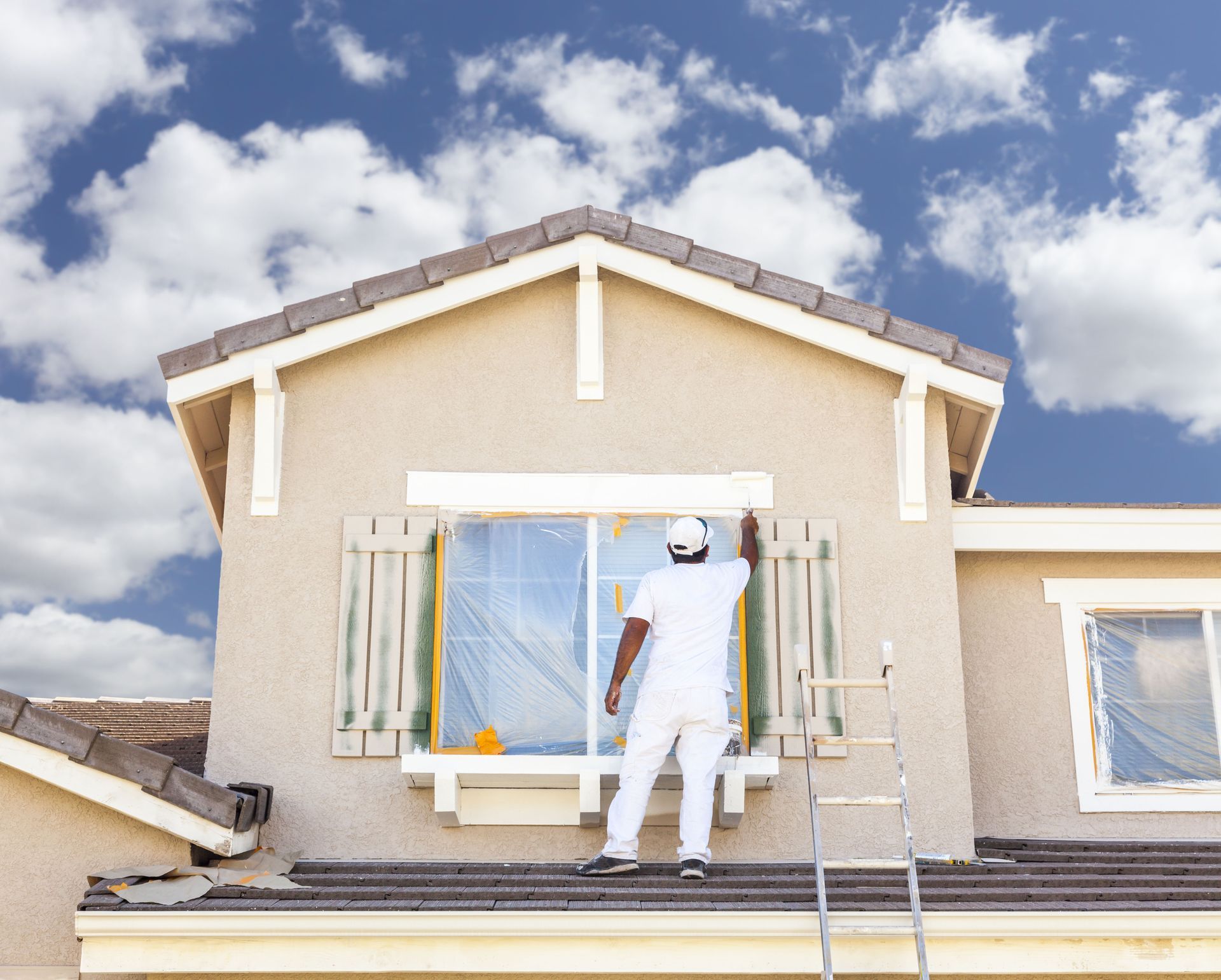
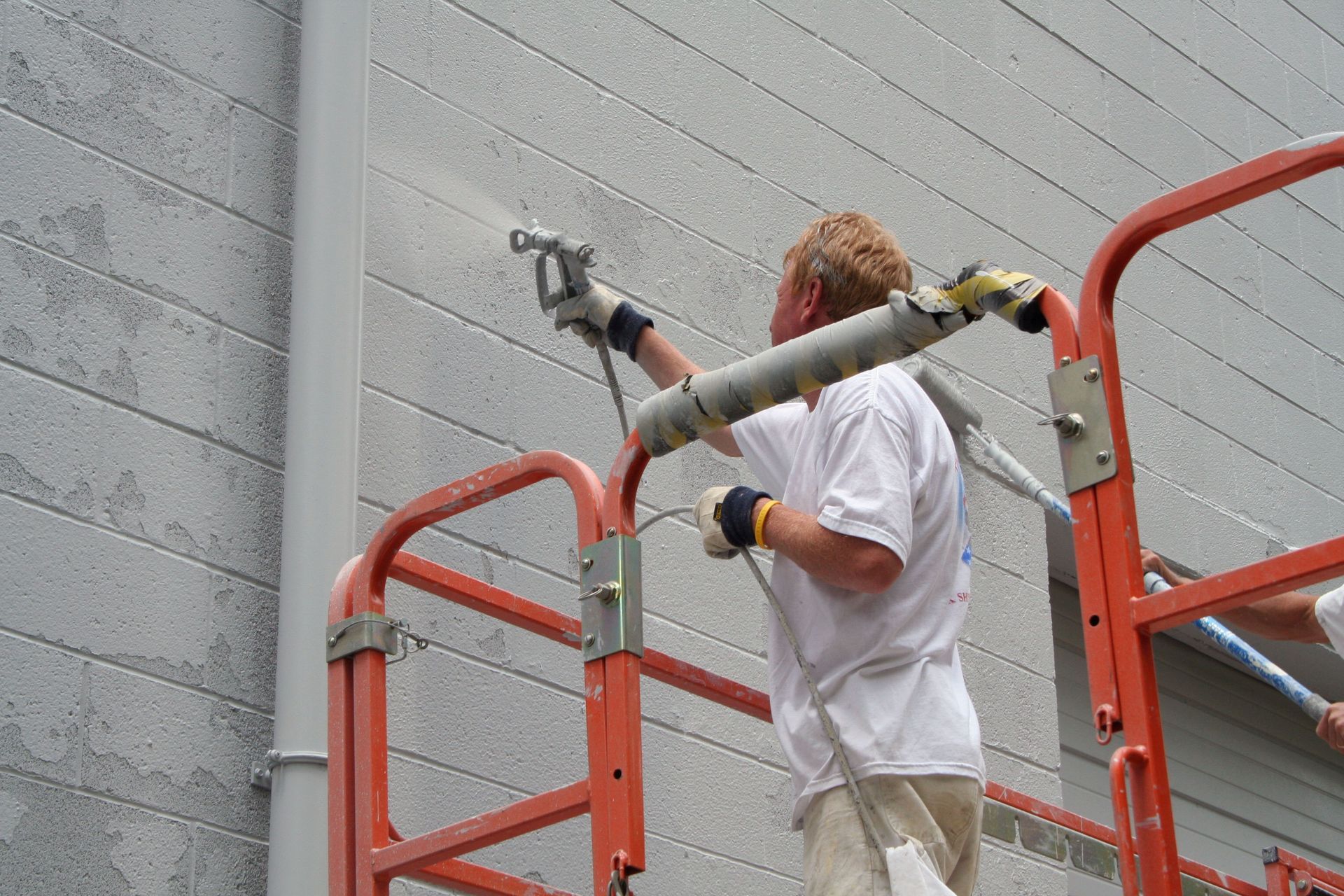
Much like an intricate shield, exterior painting serves as the first line of defense for structures subjected to harsh weather conditions. It is not just about aesthetics; it is a crucial component in prolonging the life of a building by preventing the natural decay caused by environmental factors. This article delves into how a properly applied exterior paint job acts as an invisible barrier, preserving the appearance and structural integrity of a building over time. By understanding the multifaceted roles that paint plays, property owners can make informed decisions to protect their substantial investments. Partnering with licensed painting contractors ensures that these heavy-duty coatings are applied efficiently and correctly, securing long-term durability and maintaining appeal against harsh climate elements.
Moisture Resistance
Exterior paint forms a waterproof shield that prevents moisture from seeping into the porous surfaces of a building. By creating this barrier, paint reduces the risk of water-related issues such as mold growth, wood rot, and foundation damage. Waterproof paints are specifically formulated to repel water, which is essential for homes located in regions with frequent rainfall. A well-applied coat of paint ensures that sidings, trims, and other exterior elements remain dry and intact over time. This moisture repellence is crucial in maintaining the strength and longevity of construction materials.
The integrity of a building structure can be significantly compromised by water infiltration without the protective layer of paint. In regions with high humidity or regular exposure to rain, choosing the right type of paint becomes even more vital. Premium quality paints often come with elastomeric properties, which expand and contract with the material, preventing micro-cracking and subsequent water penetration. This adaptability is a noteworthy benefit of modern exterior paint formulations, especially for buildings subject to frequent weather changes. According to Workyard, 78% of homeowners intend to start exterior painting projects in the first half of the year, highlighting the extreme importance of moisture resistance.
When homes and buildings lack adequate moisture protection, the interior can suffer from dampness, leading to expensive structural repairs and ongoing maintenance. One effective strategy employed by homeowners is selecting paints with enhanced moisture-blocking capabilities. These paints have additives that not only repel water but also allow the structure to breathe, preventing trapped moisture that could lead to internal material deterioration. Experienced painting contractors often recommend formulations containing advanced fungicides to offer an additional layer of defense against moisture-induced mold and mildew. Thus, moisture resistance is a key factor in extending a building's lifespan while safeguarding its overall aesthetic appeal.
UV Protection
Continual exposure to the sun's ultraviolet rays can cause the fading and weakening of exposed materials, but exterior paint acts as a safeguard against this damage. UV radiation leads to the chemical breakdown of paint materials, gradually affecting the color and gloss of coatings. Exterior paints specifically designed to counter UV exposure are embedded with UV-resistant components to reflect or absorb harmful rays. These paints not only protect against fading but also preserve the overall appearance and color fidelity of a building facade. As a consequence, structures maintain their aesthetic appeal and value, even under constant sunlight.
UV protection provided by paint is crucial in regions with abundant sunshine, where the sun can relentlessly beat down on a home exterior. In these locations, choosing the right paint with UV-enhancing properties is paramount to maintaining both function and beauty. Flaky, chalky surfaces indicate the breakdown of paint due to UV exposure, which can lead to underlying material damage over time. Quality paints with high UV resistance mitigate these effects, offering a reliable layer of protection that absorbs or reflects sunlight away from the building. Property owners frequently consult local painting contractors to ensure they select products specifically formulated to resist chalking and solar degradation.
In addition to protecting against fading, UV-resistant paints also enhance energy efficiency by reflecting heat away from the building envelope. Light-colored paints, in particular, are effective at reflecting a significant portion of solar radiation, reducing overall heat absorption and interior cooling costs. As sustainable building practices gain prominence, the role of UV protection in paints is becoming a major focal point for eco-conscious homeowners. This added benefit aligns with broader goals of reducing energy consumption and minimizing environmental impact. Ultimately, UV protection plays a critical role in both the preservation of external finishes and the responsible management of climate control.
Temperature Fluctuation Mitigation
Temperature fluctuations can severely impact building materials, causing expansion and contraction that lead to structural damage. Exterior paint serves as a buffer against these temperature changes, reducing stress on materials and preventing cracking or warping. The application of paint creates a protective layer that insulates against thermal variations, minimizing the impact of extreme heat or cold. Elastomeric paints, known for their flexibility, are an excellent choice in climates with significant temperature swings. By accommodating the natural movements of building materials, these paints help maintain the structural integrity of the property.
Expansion and contraction cycles, particularly in areas with sharp temperature contrasts, can accelerate the degradation of construction materials. This is where the resilient nature of modern exterior paints plays a crucial role in maintaining stability. Protective coatings adjust to temperature changes, ensuring that wood and other materials remain secure and uncracked. With the right paint, the stress of temperature-induced movement is alleviated, reducing long-term maintenance and repair costs. Professional painting contractors understand how local temperature ranges dictate proper surface preparation and coat elasticity.
Wind Resistance
Wind can be a powerful eroder of unprotected surfaces, leading to gradual wear and compromised building integrity. Exterior paint acts as a buffer, deflecting the abrasive power of wind and protecting against damage. High-performance paints create a smooth, durable surface that minimizes wind friction, thus preserving the underlying materials. In regions prone to strong winds, selecting high-quality paints that adhere strongly to surfaces can make a substantial difference in longevity. This barrier effectively reduces the risk of chipping, cracking, and other wind-related issues that can undermine a structure durability.
The abrasive power of wind can significantly accelerate the deterioration of vulnerable surfaces. As wind carries dirt, sand, and debris, it naturally abrades buildings, which can be mitigated by the protective layer of paint. High-durability paints withstand this mechanical erosion by forming a hard surface that resists scratching and wear. As a result, buildings in windy environments retain their structural and visual integrity for longer periods. Homeowners frequently hire expert painting contractors to apply thick, smooth coats capable of resisting continuous abrasive wind conditions.
Exposure to pollutants can cause unsightly discoloration and pitting on unprotected surfaces, diminishing curb appeal and leading to costly restorations. Paints that incorporate advanced technological coatings help resist this type of environmental contamination. By choosing the right paint, property owners can shield homes and buildings from the negative effects of pollution. Additionally, paint serves as a preservative layer, ensuring that metals and other sensitive materials do not succumb to corrosive atmospheres. Skilled painting contractors know how to select sealants and topcoats that specifically repel chemical residue.
Ultimately, exterior painting is far more than a cosmetic upgrade—it is a vital, multi-layered defensive investment for any structure. By serving as an impermeable shield against driving rain, harsh UV radiation, thermal expansion, abrasive winds, and airborne pollutants, a high-quality coat of paint directly safeguards a building's underlying materials from premature decay. Beyond immediate protection, investing in premium formulations and skilled application yields substantial long-term benefits, including improved energy efficiency, preserved structural integrity, and reduced maintenance expenses. Partnering with experienced professional painting contractors ensures that your property receives the right prep work and durable coatings needed to withstand extreme weather shifts, ensuring your investment remains resilient, functional, and visually compelling for years to come.